
The Naga Fireballs of Nong Khai
- Destination Highlights
- /
- Jul - Sep, 2026
- 24
- 24
- |
- Share on Facebook
The Naga Fireballs of Nong Khai
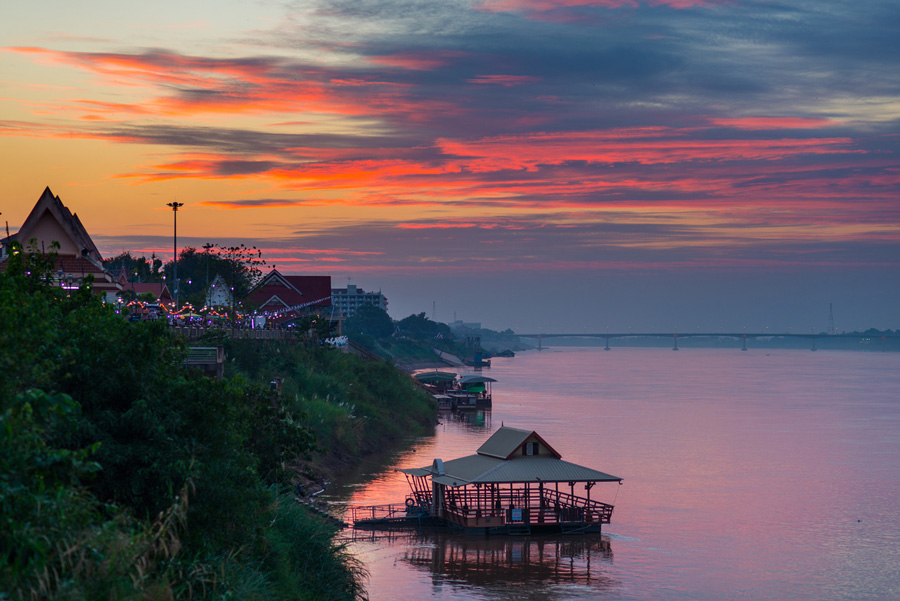
On the 15th day of the waxing moon in the 11th lunar month each year (the end of Buddhist Lent), thousands of travellers gather along the Mekong River to witness a phenomenon that appears only once a year: the Naga fireballs.
The Naga Fireballs are a natural spectacle in which more than 200 glowing pink-red orbs of light rise silently from the Mekong without smoke, sound, or smell along stretches of the river in Phon Phisai, Rattanawapi, and Sangkhom districts in Nong Khai province, and Mueang Bueng Kan, Bueng Khong Long, and Pak Khat districts in Bueng Kan province. The lights vanish into the sky after rising somewhere between 50 and 150 metres, their mysterious origin a subject of long-running debate.
Locals once called this phenomenon Bang Fai Phi, or “ghost fireballs,” but the belief that the lights are released by Naga serpents dwelling in the depths of the Mekong as an offering to the Buddha gave rise to the name we know today: Bang Fai Phaya Nak, the Naga Fireballs.
Besides the fireballs, the end of Buddhist Lent brings a host of other cultural traditions, including the launching of fire boats carved from banana trunks or wood and filled with incense, candles, flowers and offerings in homage to the Buddha and the Naga, long-boat races, a procession of wax castles and the Tak Bat Tewo Rohana almsgiving ceremony, featuring khao tom luk yon, balls of sticky rice traditionally tossed to monks too far away to receive alms directly.
This year, the end of Buddhist Lent falls on 26 October, the date to visit for the best chance of witnessing the Naga fireballs.
Getting there: Fly to Udon Thani with THAI, then continue by road to Nong Khai. Click here
- 24
- |
- Share on Facebook
Related Articles
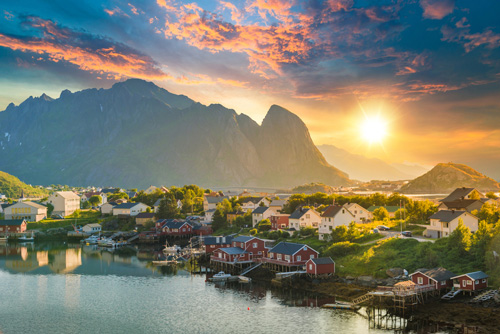
Midnight Sun in Lofoten, Norway
While most travellers head to Norway in winter to chase the northern lights, summer is when the natural architecture of the Lofoten Islands reveals a beauty many never expect.
- 45
- Jul - Sep, 2026
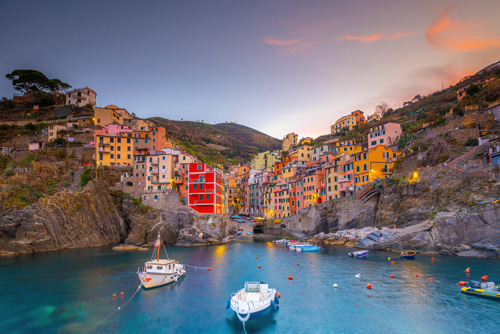
Wander the Colourful Seaside Villages of Cinque Terre, Italy
Pastel-hued houses cascade down dramatic cliffs above the deep blue Mediterranean. For many, this image is instantly recognisable as Cinque Terre, the UNESCO World Heritage stretch of Italy’s Ligurian coast.
- 31
- Jul - Sep, 2026
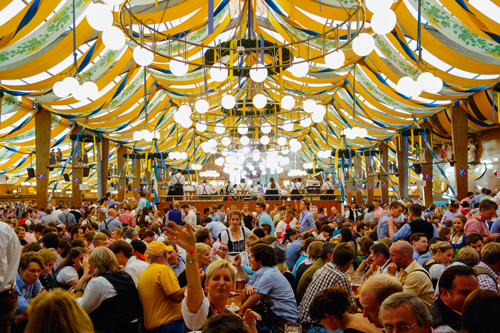
Oktoberfest and River Surfing in Munich, Germany
Munich, the capital of Bavaria, is a thriving hub of culture and commerce wrapped in classical architecture. Come mid-September, the city transforms into a destination travellers from around the world long to experience at least once.
- 19
- Jul - Sep, 2026
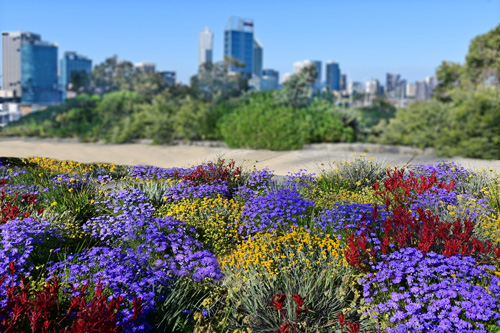
Wildflower Season in Perth, Australia
Western Australia is home to one of the most remarkable concentrations of biodiversity on Earth. From July to September especially, as spring arrives, the once-arid land bursts back to life in a spectacular natural phenomenon: more than 12,000 species of wildflowers blooming at once, forming one of the longest and most complete wildflower trails in the world.
- 21
- Jul - Sep, 2026
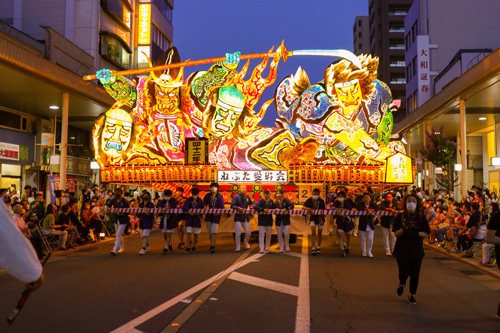
The Nebuta Lantern Festival in Aomori, Japan
Aomori is often seen as little more than a stop along the Shinkansen route between Tokyo or Sendai on Honshu and Hakodate on Hokkaido. In truth, however, the city hosts one of the three largest festivals in the Tohoku region: the Nebuta Festival, a parade of enormous lantern floats that fills the streets.
- 26
- Jul - Sep, 2026
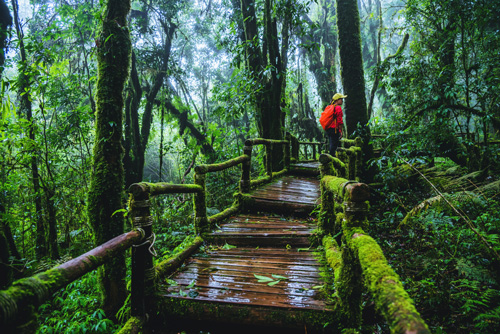
Forest Bathing in the Rainy Season at Doi Inthanon, Chiang Mai
Doi Inthanon, in Chom Thong district, Chiang Mai, is Thailand’s highest peak at 2,565 metres and home to a wealth of natural attractions — the grand waterfalls of Mae Ya, Mae Klang, and Wachirathan, the Kew Mae Pan nature trail, the stunning stalactites of Borichinda Cave, and a remarkable diversity of birds and plant life.
- 15
- Jul - Sep, 2026